

16TH INTERNATIONAL EXPERTS' CONFERENCE
ENVIROMANAGEMENT 2026
TO BURN OR NOT TO BURN
Can we recycle our way out of the problem?
OCTOBER 12 – 13, 2026
HOTEL PATRIA****
ŠTRBSKÉ PLESO, HIGH TATRAS, SLOVAKIA
LECTURER
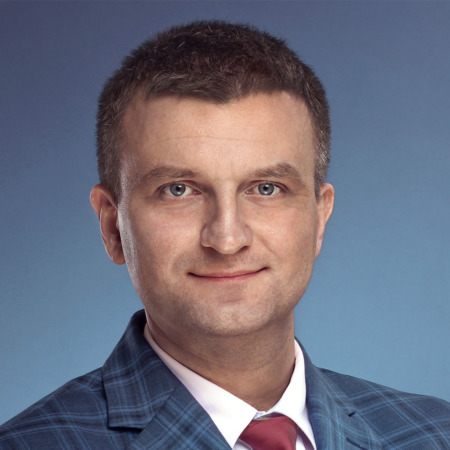
Kamil Szymik
Group Senior Manager for Major Projects
FCC Polska Sp. z o. o.
Zabrze
Poland
PRESENTATION
MBT plants – experience of FCC Group.
Zariadenia na mechanicko-biologickú úpravu odpadov (MBÚ) – skúsenosti skupiny FCC.
KEY WORDS
Mechanical Biological Treatment (MBT), Refuse-Derived Fuel (RDF), shredding, waste-to-energy
ANNOTATION
Mechanical Biological Treatment (MBT) plants have been an important element of Poland’s waste management system, supporting landfill diversion, material recovery, and the production of alternative fuels. Based on FCC Environment’s experience in operating three MBT facilities in Poland, this presentation will provide practical insights into the development, operation, and future role of MBT infrastructure.
The presentation will discuss the key strategic drivers behind investment decisions in MBT infrastructure, including regulatory requirements, regional treatment capacity needs, landfill diversion targets, and the development of waste-to-energy infrastructure. Particular attention will be paid to the impact of legislation on both the historical growth and future outlook of MBT installations, including the expected implications of Extended Producer Responsibility (EPR) schemes and their influence on waste streams, recycling performance, and treatment economics.
The session will also provide an overview of material balance and fraction management within MBT facilities, addressing the recovery of recyclable materials, management of biodegradable fractions, production of RDF/SRF, and handling of residual waste. Selected economic aspects will be presented, focusing on the main operational cost drivers, market dependencies, and factors affecting the long-term viability of MBT operations.
Finally, the presentation will explore the broader role of MBT within an integrated waste management system and discuss whether MBT should be viewed as a transitional technology supporting the circular economy or as a sustainable long-term solution. The discussion will be illustrated with practical examples and lessons learned from the Polish market that may be relevant to other countries across Central and Eastern Europe.
LECTURER'S PROFILE
Kamil Szymik
Group Senior Manager for Major Projects, FCC Environment CEE
Kamil Szymik is responsible for the development and implementation of major environmental infrastructure projects across Central and Eastern Europe.
He has 20 years of experience in waste management, specializing in waste-to-energy, energy & utilities, circular economy solutions, project development, and strategic business initiatives. He has participated in numerous international projects involving waste treatment, energy recovery and production and infrastructure development.
ORGANIZATION'S PROFILE
FCC Environment CEE – The International Waste Management and Citizen Service Group
Active in 7 countries across Central and South-Eastern Europe with >30 years of experience.
Part of FCC enviro, a global leader in citizen services, with expertise in waste recovery and resource management.
Manage waste and recover resources for over 52,500 industrial customers and 5,7 million citizens in 1,821municipalities.
Our mission, “Service for the Future”, emphasizes investment in clean technologies to minimize environmental impact for present and future generations.
KĽÚČOVÉ SLOVÁ
Mechanicko-biologická úprava odpadov (MBÚ), tuhé alternatívne palivo (TAP), drvenie odpadu, energetické zhodnocovanie odpadov
ANOTÁCIA
Zariadenia na mechanicko-biologickú úpravu odpadov (MBÚ) zohrávajú kľúčovú úlohu v systéme odpadového hospodárstva v Poľsku, kde prispievajú ku odklonu odpadov zo skládok, zhodnocovaniu materiálov a výrobe alternatívnych palív. Na základe skúseností spoločnosti FCC Environment s prevádzkou troch zariadení MBÚ v Poľsku ponúkne táto prezentácia praktické poznatky o rozvoji, prevádzke a budúcej úlohe infraštruktúry MBÚ.
Prezentácia sa zameria na hlavné strategické faktory, ktoré ovplyvňujú investičné rozhodnutia v oblasti infraštruktúry MBÚ, vrátane legislatívnych požiadaviek, regionálnych kapacitných potrieb, cieľov v oblasti znižovania skládkovania a rozvoja infraštruktúry na energetické zhodnocovanie odpadu (ZEVO/WtE). Osobitná pozornosť bude venovaná vplyvu legislatívy na historický rast aj budúci výhľad zariadení MBÚ, vrátane očakávaných dopadov systémov Rozšírenej zodpovednosti výrobcov (RZV / EPR) na toky odpadov, úroveň recyklácie a ekonomiku spracovania.
Súčasťou prednášky bude aj prehľad materiálovej bilancie a nakladania s jednotlivými frakciami v zariadeniach MBÚ. Venovať sa bude získavaniu recyklovateľných materiálov, nakladaniu s biologicky rozložiteľnou frakciou, výrobe tuhých alternatívnych palív (TAP / RDF a SRF) a spracovaniu zostatkového odpadu. Prezentované budú aj vybrané ekonomické aspekty so zameraním na hlavné prevádzkové náklady, trhové závislosti a faktory ovplyvňujúce dlhodobú udržateľnosť prevádzok MBÚ.
Záver prezentácie sa pozrie na širšiu úlohu MBÚ v rámci integrovaného systému nakladania s odpadmi a otvorí diskusiu o tom, či by sa MBÚ mala chápať ako prechodná technológia podporujúca obehové hospodárstvo, alebo ako udržateľné dlhodobé riešenie. Diskusia bude doplnená o praktické príklady a poznatky z poľského trhu, ktoré môžu byť prínosné aj pre ostatné krajiny strednej a východnej Európy.
[strojový preklad]