

16TH INTERNATIONAL EXPERTS' CONFERENCE
ENVIROMANAGEMENT 2026
TO BURN OR NOT TO BURN
Can we recycle our way out of the problem?
OCTOBER 12 – 13, 2026
HOTEL PATRIA****
ŠTRBSKÉ PLESO, HIGH TATRAS, SLOVAKIA
LECTURER
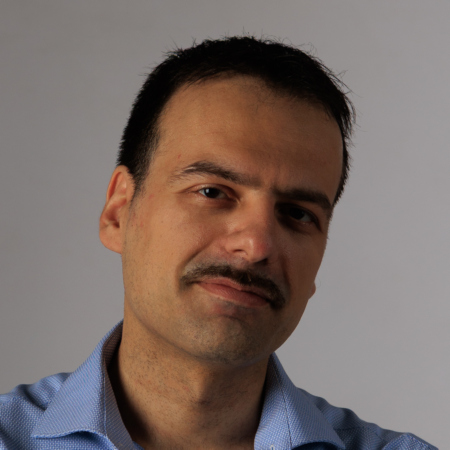
Dimitris Zikopoulos
Technical Officer
European Suppliers of Waste-to-Energy Technology (ESWET)
Brussels
Belgium

PRESENTATION
The Role of Waste-to-Energy in Advancing Current European Circular Economy Policies
Úloha energetického zhodnocovania odpadu pri presadzovaní súčasných európskych politík obehového hospodárstva.
KEY WORDS
Waste-to-Energy (WtE), Circular Economy, Residual Waste Management, Landfill Diversion, EU Policy Framework, Energy Recovery, Secondary Raw Materials, EU Emissions Trading System (ETS), Carbon Capture (CCUS), Eastern Europe, Waste Hierarchy, Energy Security.
ANNOTATION
The European Union’s transition to a circular economy increasingly depends on the effective management of residual waste streams that cannot be recycled. Within this context, ESWET highlights the essential role of Waste-to-Energy (WtE) as a complementary solution to recycling, enabling the recovery of energy and materials while minimising landfill disposal. EU policy frameworks, ranging from the Waste Framework Directive and the Circular Economy Action Plan to the EU Emissions Trading System (ETS), the Renewable Energy Directive (RED III), and the Critical Raw Materials Act, are progressively shaping the conditions under which WtE operates, recognising its contribution to climate mitigation, energy security, and resource efficiency.
WtE plays a dual role in the EU system: it diverts non-recyclable waste from landfills, thereby preventing methane emissions, and produces reliable, partially renewable energy that can support district heating networks and industrial processes. At the same time, it contributes to material recovery, notably through the extraction of metals and minerals from incineration bottom ash, reinforcing Europe’s strategic autonomy in critical raw materials.
Eastern Europe, and countries such as Slovakia, are particularly well-positioned to accelerate this transition. With continued reliance on landfilling in several regions, there is a significant opportunity to leapfrog towards more sustainable waste management systems by integrating WtE infrastructure alongside strengthened recycling efforts. This shift is not only aligned with EU environmental objectives but also offers tangible benefits in terms of energy independence, reduced greenhouse gas emissions, and regional economic development.
Looking forward, the integration of Carbon Capture, Utilisation and Storage (CCUS) technologies into WtE facilities could further enhance their environmental performance, potentially enabling carbon-negative operations. To fully unlock this potential, EU policies must continue to ensure a coherent framework that recognises WtE as a recovery operation, supports the development of secondary raw materials markets, and promotes investment certainty, particularly in regions where the circular economy still has significant room to grow.
LECTURER'S PROFILE
Dimitris Zikopoulos
is Technical Officer at European Suppliers of Waste-to-Energy Technology (ESWET).
He holds a Diploma in Chemical Engineering from the Aristotle University of Thessaloniki, an MSc in Renewable Energy Sources from the University of Western Macedonia and an MSc in Economics from the University of Macedonia, alongside several other degrees in humanities.
Professionally, he has been a researcher in public health risks of air pollutants and in the field of biogas, while also operating his own technical services office as an energy auditor in buildings and providing techno-economic analyses.
His current position centers on the Industrial Emissions Directive, comprehensive pollution control (including persistent pollutants), material recovery from incinerator bottom ash and assessment of the energy and climate benefits of the waste-to-energy sector.
ORGANIZATION'S PROFILE
ESWET is the European association representing manufacturers and suppliers of Waste-to-Energy (WtE) technology. It advocates for the role of WtE in sustainable waste management, energy generation, and the circular economy, engaging with EU institutions and stakeholders on policy, technical, and environmental issues.